Science and Education at Sea
April 22, 2026
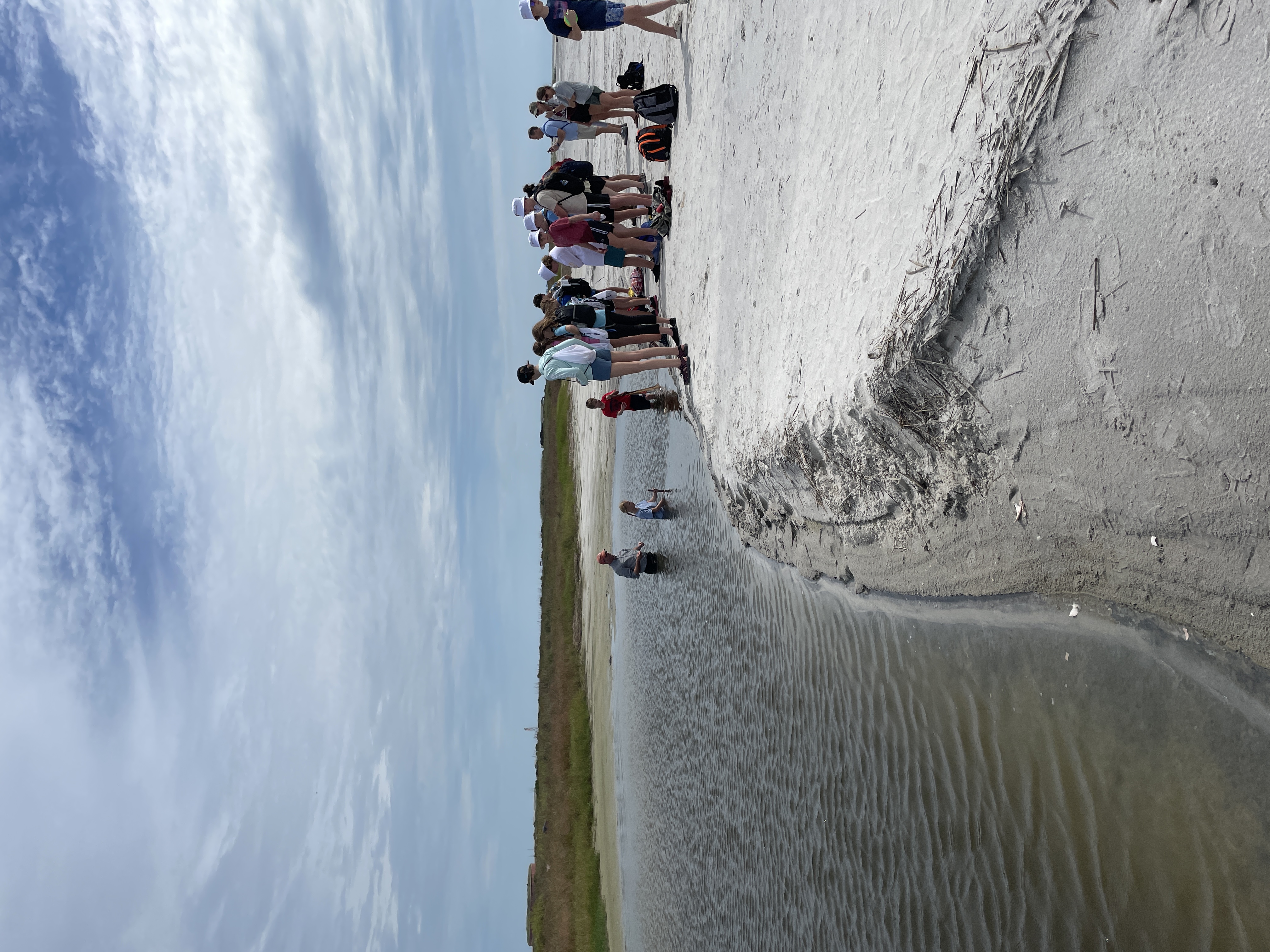
Through the innovative MSU-SEAS (Science and Education at Sea) program, now in its seventh year of operation, regional students participate in immersive, hands-on coastal and marine excursions that foster both scientific understanding and environmental stewardship. Through these experiences, students develop and practice positive behavioral approaches that promote sustainable decision-making, contributing to the long-term protection and resilience of the Gulf of America's marine ecosystem.
"We believe an engaged and informed public is a great partner in the effort to protect the Gulf of Mexico's environment," said Jonathan Harris, Northern Gulf Institute outreach director. "By giving students access to this kind of learning, the NGI is making its research relevant to the students who will become the stakeholders and citizens of the future."
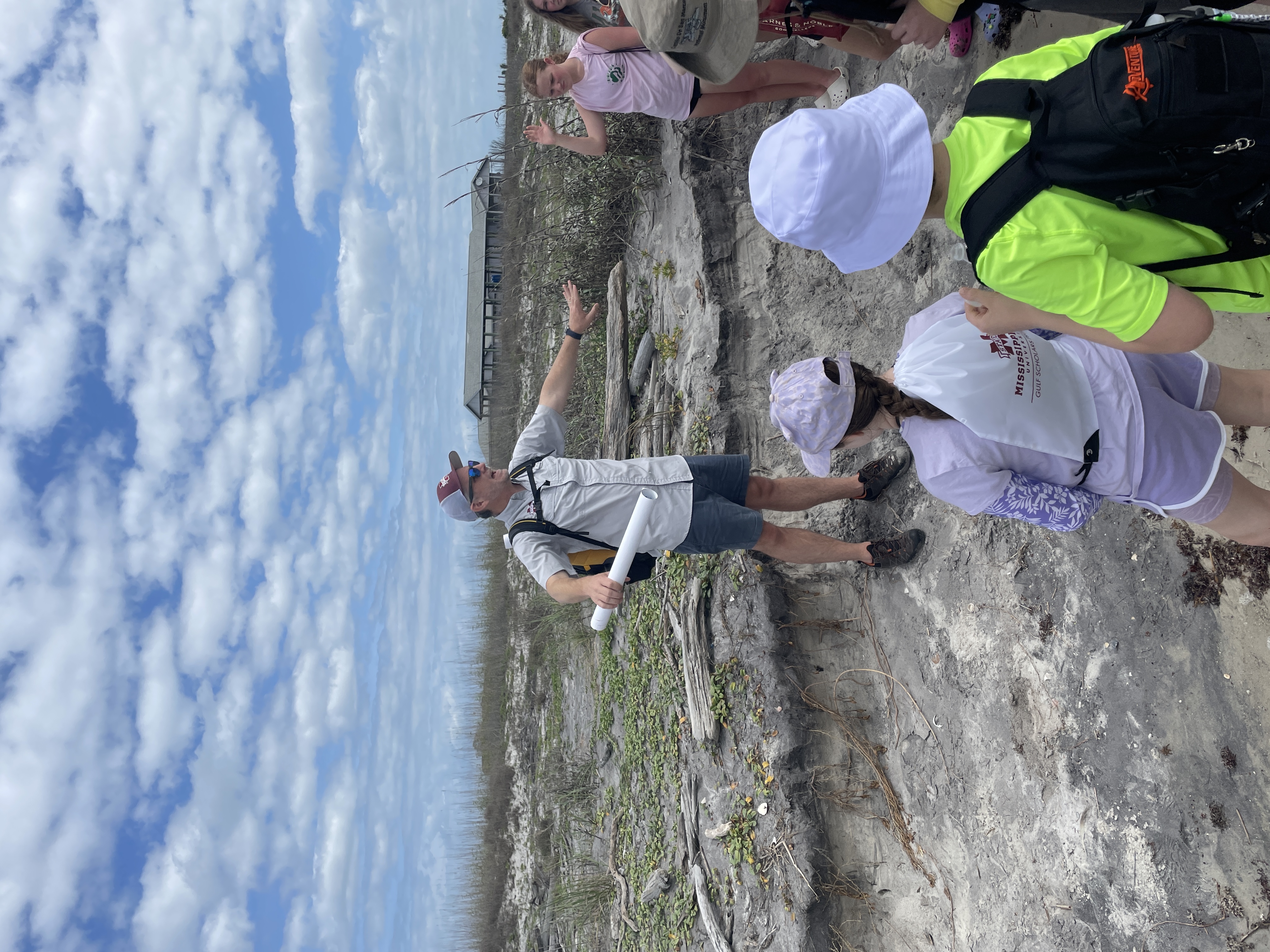
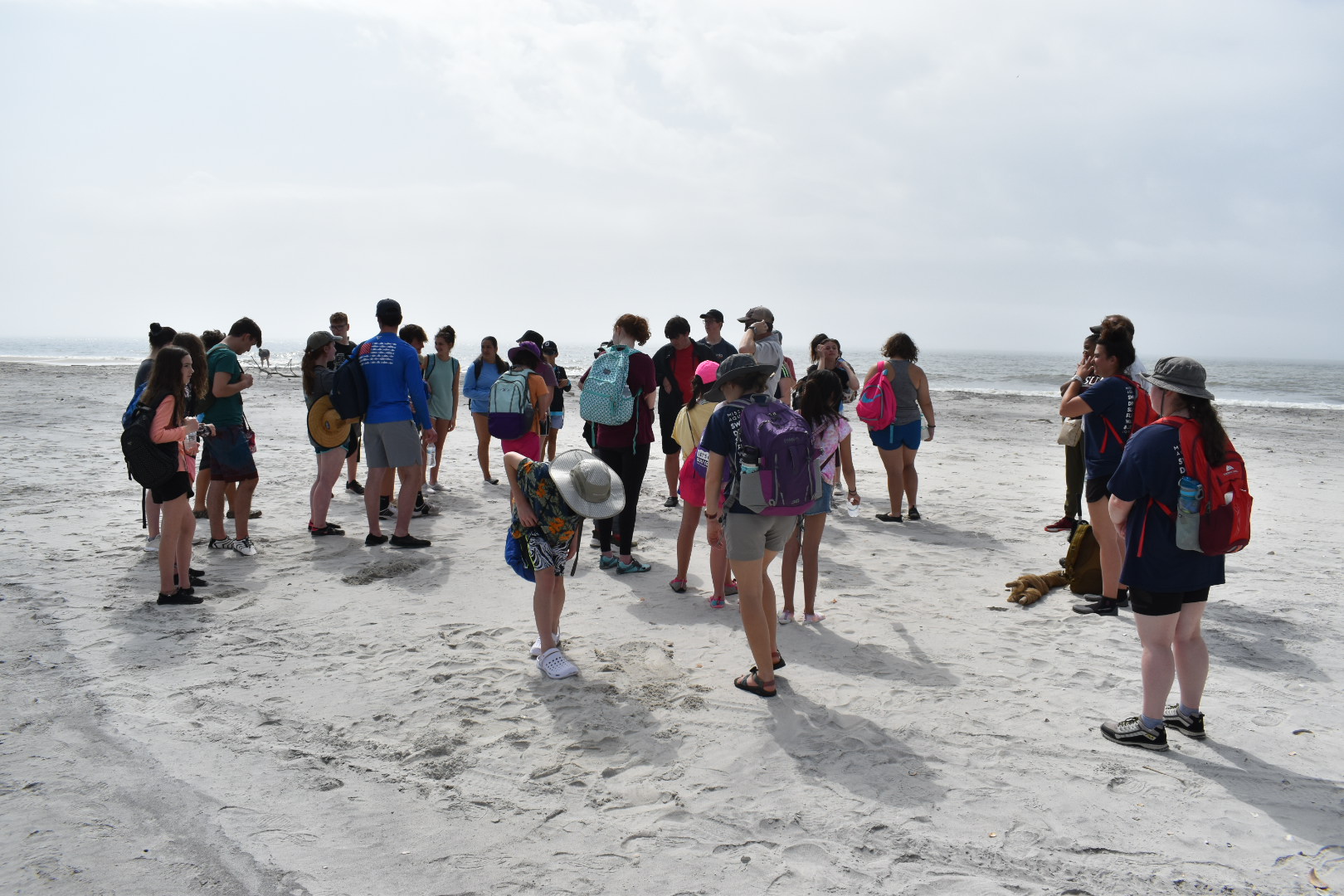
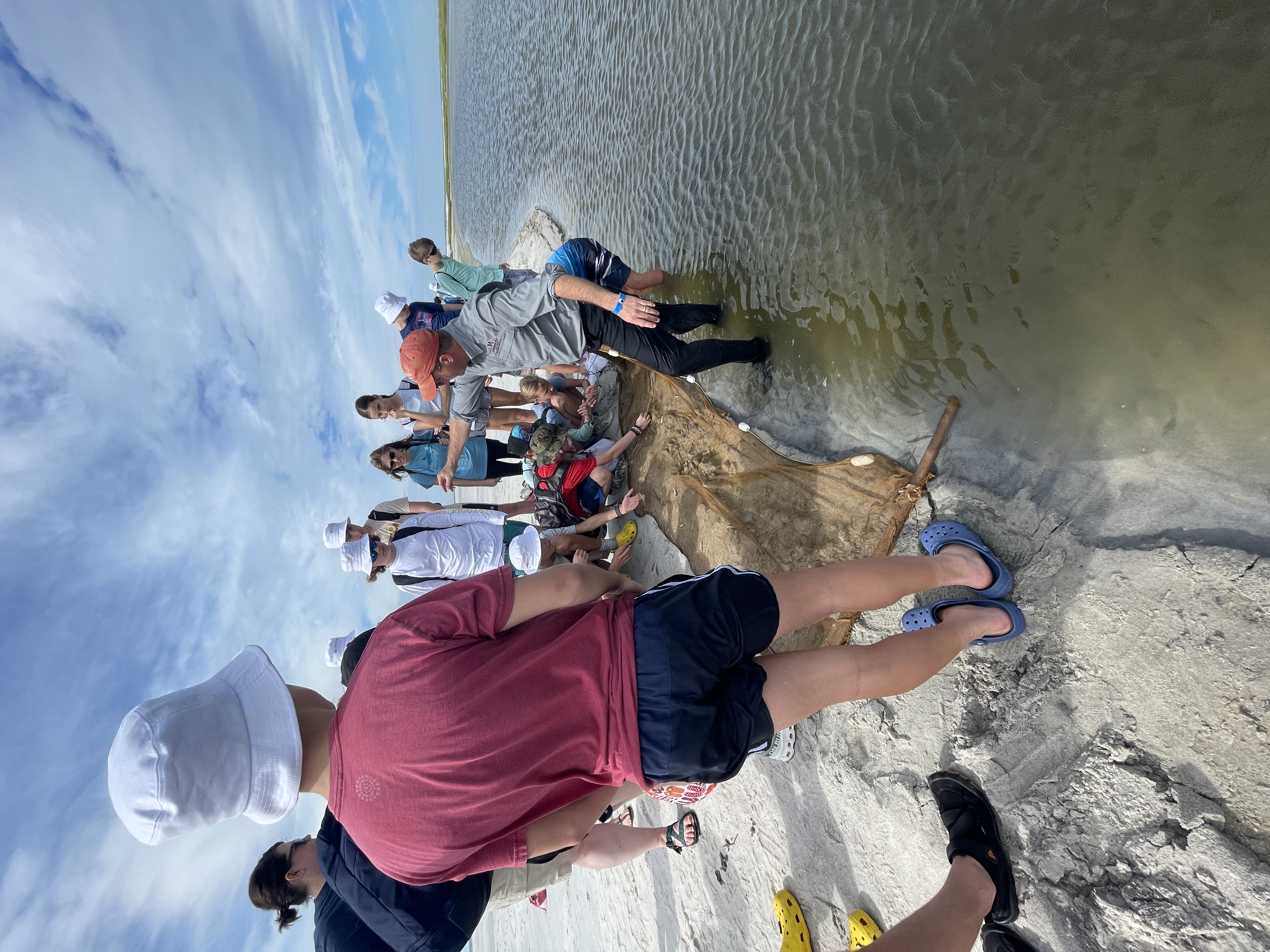
The sixth through 12th-grade students, accompanied by NGI faculty and staff, sail to the National Park Service barrier islands within Gulf Islands National Seashore, where they are immersed in a comprehensive experiential learning environment that integrates coastal science with cultural geography and Gulf Coast history. In this setting, students engage in the collection and analysis of coastal and marine scientific data, including water quality samples and seafloor sediment, while also identifying aquatic and terrestrial species and distinguishing between native and invasive plant communities. These scientific investigations are contextualized within the broader human landscape, as students examine how historical settlement patterns, maritime industries, and storm events have shaped both the ecological and cultural character of the region. Through guided methodologies for observing and interpreting coastal weather conditions, students develop a systems-level understanding that connects environmental processes with the lived experiences, economic activities, and historical narratives that define the Gulf Coast.
Program organizers and education experts said another program priority is to practice one of the main tenets of modern educational theory: the concept of experiential learning, in which students are engaged when they learn by doing.
"The idea is that through exposure to real-life scientific sampling techniques and locally relevant lesson content, we can remove the shadow of classroom learning and spark an interest in the sciences that will impact not only their future educational choices, but also their life-long interest and hopefully their career pathways," Harris said.
MSU faculty and team members also serving as MSU-SEAS teachers include Jamie Dyer, NGI director and professor of meteorology and climatology, and Gray Turnage, an NGI invasive aquatic species researcher and assistant extension professor, Adam Skarke, professor of geology and oceanography, and Jonathan Harris, NGI director of education and outreach and professor of geosciences and science education.
NGI offers the program up to four times annually to regional students.
The Northern Gulf Institute, a National Oceanic and Atmospheric Administration Cooperative Institute managed by MSU, is a partnership of six complementary academic institutions and NOAA addressing important national strategic research and education goals.
For more information about the MSU-SEAS Program, please visit
www.ngi.msstate.edu or contact NGI Outreach Director, Dr. Jonathan Harris at
jharris@ngi.msstate.edu.